
Our campaign
The Lone Star Genome Act
A proposal for a voluntary newborn genome screening pilot in Texas, so families can find treatable genetic conditions before symptoms start, with protections that put parents in control.
- Proposal
- No bill filed yet
- Target: 2027 Texas Legislature
At a glance
The proposal in one minute
- What
- A voluntary pilot that offers genome sequencing to newborns, alongside the standard heel-stick screen.
- Who can take part
- Any Texas family who chooses to. Nothing happens without a parent's permission.
- Who runs it
- A Texas public university, working with hospitals, clinics, and certified labs.
- Where
- Sites across the state, including rural and border communities.
- How long
- A five-year pilot, with a public report every year.
- Cost to families
- None. Genetic counseling and follow-up are included.
Why it matters
Today's screen finds a lot. Sequencing could find far more.
Texas screens every newborn twice, at 24 to 48 hours and again at 7 to 14 days. That blood screen checks for 60 conditions, and in 2024 it found 1,089 babies with conditions needing care.
Hearing and heart checks are done separately where the baby is born. Genome sequencing can look for hundreds of treatable genetic conditions at once, often before any symptoms appear.
| Today's newborn screen | With the Lone Star Genome Act | |
|---|---|---|
| What it checks | 60 conditions by blood test, plus hearing and heart checks | The same screens, plus hundreds of treatable genetic conditions through sequencing |
| Who gets it | Nearly every Texas newborn | Families who choose to take part |
| Consent | Part of standard newborn care | Offered during pregnancy, in English and Spanish, with separate choices |
| Results | Sent to the baby's health care provider | Treatable childhood conditions, explained by a genetic counselor or physician |
| Follow-up | State follow-up for abnormal results | Funded counseling, confirmatory testing, and specialist referral |

How it would work
A family's path through the pilot
Learn about it during pregnancy
Families hear about the pilot at a prenatal visit, with plain materials in English and Spanish and time to ask questions.
Choose
Parents decide whether to take part, and separately whether their child's data may be used for research. Saying no changes nothing about their baby's regular care.
A small sample at birth
A sample is collected at birth alongside the standard newborn screen.
Sequencing at a certified lab
A certified clinical lab sequences the sample and confirms any finding before it's reported. The state's own lab isn't burdened.
Results from a real person
Most families will have no findings. If a treatable condition is found, a genetic counselor or physician contacts the family and explains what it means.
Follow-up that's paid for
Confirmatory testing, counseling, and referral to the right specialist are covered, so no family gets a result without a next step.
Protections
Parents stay in control
Texas families remember the 2009 lawsuit over consent that led the state to destroy an estimated 5.3 million stored newborn blood samples in 2010.
Trust has to be written into the law from day one.
Consent first
Opt-in only, offered during pregnancy in English and Spanish, with separate yes-or-no choices for screening and for research.
No police access
Law enforcement can't use the pilot's samples or data.
Never sold
No sale or commercial use of any family's data.
Insurance protection
Federal law doesn't stop life, disability, or long-term care insurers from using genetic results. The Act would.
Withdraw anytime
Families can leave the pilot and have their child's data deleted. Children can delete it themselves at 18.
Results that help
Only treatable conditions that start in childhood are reported by default. No results of uncertain meaning.
Data stays in the U.S.
Stored and handled under the Texas Genomic Act, with encryption and strict access limits.
Public accountability
A yearly public report on who took part, what was found, what it cost, and what families experienced.
Fair access
Sites in rural and border communities, telehealth genetic counseling, and materials in Spanish.

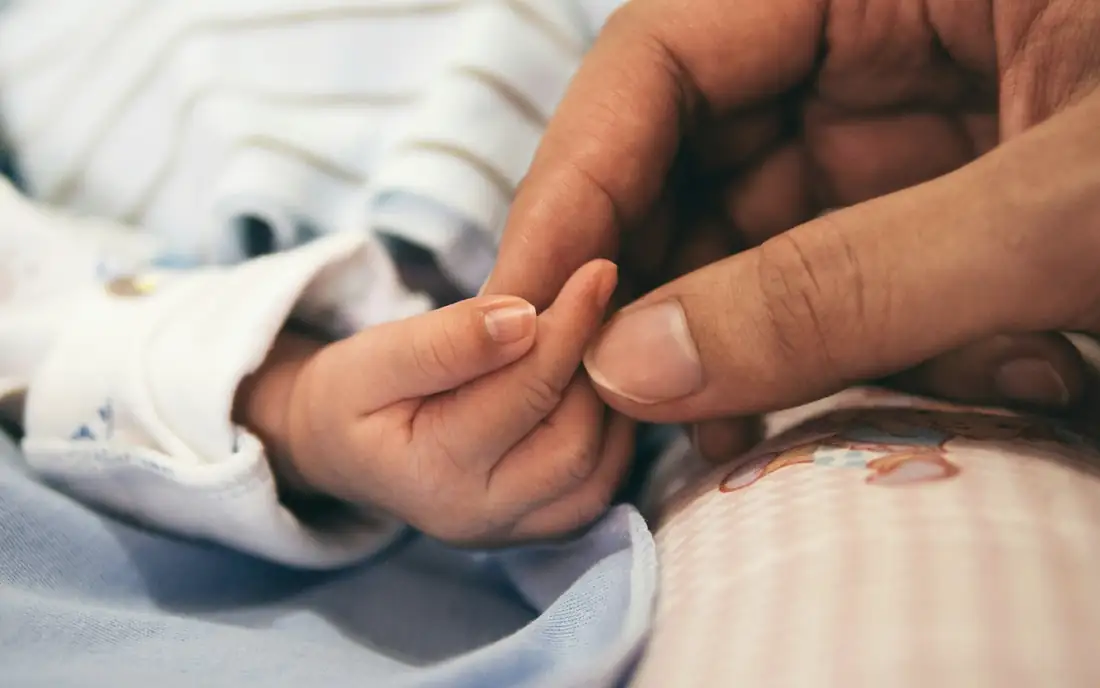
Nothing happens without a parent's permission.
Compared with Florida
Building on Florida's Sunshine Genetics Act
Florida's 2025 law created the first state newborn genome screening pilot.
The Lone Star Genome Act follows its model and adds the protections Texas families need.
| Florida (2025) | Texas proposal | |
|---|---|---|
| Pilot length | 5 years | 5 years |
| Led by | Florida State University's Institute for Pediatric Rare Diseases | A Texas public university |
| Consent | A parent must consent | Consent during pregnancy, bilingual, with separate choices for screening and research |
| Results returned | Any clinical findings, to the parent and the baby's provider | Treatable childhood conditions by default, explained by a genetic counselor or physician |
| Counseling and follow-up | Not funded in the law | Funded |
| Data rules | Secure database; deidentified data shared with the research consortium | Adds no police access, no sale, deletion rights, and deletion at 18 |
| Insurance | Covered by a separate 2020 Florida law | Written into the Act |
| Oversight | University and political appointees | Adds a rare-disease parent, an ethicist, and a privacy expert |
| Reporting | A pilot report due in 2030 | A public report every year |
The Texas picture
Why Texas is ready
Texas is already part of the research
In January 2026, Texas's newborn screening program was chosen as one of seven sites for BRIDGES-NBS (formerly BEACONS), a national genomic newborn screening study funded by the National Institutes of Health. The Act would build on that start and reach more families.
The data rules already exist
The Texas Genomic Act of 2025 sets rules for storing and protecting genetic data. The pilot would follow them from day one.
No added load on the state lab
The state's newborn screening lab reported it was at full capacity in 2025. The pilot would use outside certified labs, so the standard screen isn't slowed down.
Funding that can grow
Like Florida's, the pilot would run on a state appropriation and could also accept private gifts and research grants.
Where it stands
From proposal to pilot
- Proposal writtenThe framework on this page.
- Finding sponsors In progressA lawmaker in each chamber to carry the bill.
- Bill filedFiling opens November 9, 2026. The deadline is March 12, 2027.
- Committee hearingsFamilies and clinicians testify.
- Passed and fundedThe session ends May 31, 2027.
- Pilot beginsEnrollment opens at the first sites.
How to help
Stand with Texas families
Sign up to support
Check "Supporting the Lone Star Genome Act" below. We'll tell you when there's a bill and how to reach your legislators.
Share your family's story
Stories from families who waited years for a diagnosis move legislators more than any statistic.
Legislators and staff
We'd welcome the chance to brief your office on the proposal and the evidence behind it.
Clinicians and researchers
Help shape the pilot's design, from the gene list to how results are returned.
Questions
What parents ask
Is this required?
No. The pilot is opt-in only. Families who don't take part keep the standard newborn screen, just as they do today.
Does it replace the regular newborn screen?
No. It's in addition to the standard screen, which stays exactly as it is.
What would it cost my family?
Under the proposal, nothing. Sequencing, genetic counseling, and follow-up would be covered by the pilot.
Who would see my baby's results?
You, and the genetic counselor or physician who explains them to you. Research use would need your separate permission.
Could police or insurers get the data?
No. The Act would bar police access and stop insurers, including life, disability, and long-term care insurers, from using the results.
Can I change my mind later?
Yes. You could withdraw at any time and have your child's data deleted, and your child could delete it at 18.
What happens to the data when the pilot ends?
The Act would require a written plan before enrollment starts. Data would be kept only with families' permission.
Why a pilot instead of screening everyone?
A pilot shows what sequencing finds in Texas, what it costs, and how families experience it, before any wider decision.
Is this the same as the BRIDGES-NBS study (formerly BEACONS)?
No. BRIDGES-NBS is a national research study with a set number of babies. The Lone Star Genome Act would create a Texas program that reaches more families across the state.
Sources
- Texas DSHS, 2025 Newborn Screening Program Annual Report
- Texas DSHS, New disease testing added to Texas newborn screening panel (June 2026)
- Texas DSHS, Newborn screening disorders
- Florida House of Representatives, bill analysis for HB 907 (2025)
- Florida State University, Sunshine Genetics update (July 2026)
- Florida Sunshine Genetics, About the pilot
- Ariadne Labs, BEACONS (now BRIDGES-NBS) site selection (January 2026)
- NIH Common Fund, BRIDGES-NBS (formerly BEACONS)
- Texas Attorney General, Texas Genomic Act compliance
- Dallas Morning News, blood sample settlement (2009)
- The Texas Tribune, DNA destruction (March 2010)
- National Human Genome Research Institute, genetic discrimination
- Texas Legislative Council, Dates of Interest
- Legislative Reference Library of Texas, Legislative sessions and years